
September 21, 2025
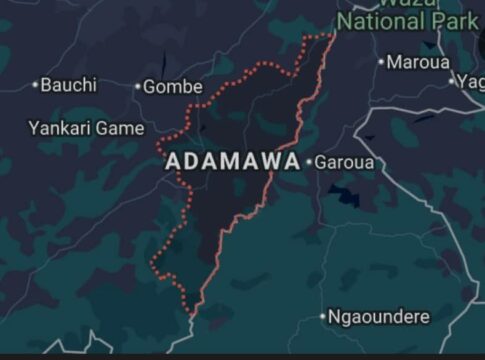
The Federal Government said it has commenced laboratory investigations into a flesh-eating disease (Buruli Ulcer) that has killed seven people and infected over sixty others in Malabu, a remote community in Adamawa State.
Acting National Coordinator of the National Tuberculosis, Buruli Ulcer and Leprosy Control Programme, Adesigbin Olufemi, confirmed the outbreak in an interview on Sunday in Abuja.
Olufemi, stated that, “As of September 10, we had 67 confirmed cases, with eight patients undergoing surgical treatment at the Modibbo Adama University Teaching Hospital, MAUTH, in Yola.”
“These are undergoing surgical treatment with the support of the government.”
The illness, which begins as a boil before bursting and consuming flesh, sometimes destroying bone tissue, has left health authorities scrambling to identify its source.
He noted that Buruli Ulcer, a neglected tropical disease, is the primary suspect but stressed that confirmation is still pending.
READ MORE; Ebonyi Governor Raises Medical Doctors’ Salaries to N500,000 to Boost Healthcare Delivery
“This tropical disease is still under investigation for confirmation,” he explained.
“Buruli Ulcer is caused by Mycobacterium ulcerans, a bacterium commonly found in swampy environments and around stagnant riverine ecosystems.
Up till now, nobody is sure exactly how it is transmitted. Some theories suggest insects like water fleas or mosquitoes may inoculate individuals when they bite.”
He praised the Adamawa State Government, for it quick intervention and joining forces with federal health agencies and the non-governmental partner REDAID, present on the ground since September 14.
Olufemi, further said “One of the things that is very important, and that’s what we are doing, is to continue to create awareness.”
He explained that patients with mild symptoms are being treated at local health centres, while severe cases requiring surgery have been transferred to MAUTH.
READ MORE; Ekiti Urges Collective Action to improve Children’s Healthcare Access
However, he lamented that community response has been complicated by superstition. “Some residents initially blamed the disease on witchcraft, leading to delays in seeking proper treatment.”
Olufemi blamed the isolation of Malabu, located two hours from Yola with poor road access, as another obstacle in the emergency response.
He linked the outbreak to lack of basic necessities like water supply and sanitation. “People will not need to go to those rivers to fetch water if they have pipe-borne or borehole water around them. That way, they are less exposed,” he said.
He reassured the public that both the federal and state governments, with partners, are committed to managing the outbreak and reducing further spread.
The World Health Organisation recognises Buruli Ulcer as one of the world’s most neglected tropical diseases, mainly affecting poor, riverine communities with limited healthcare access and basic infrastructure.