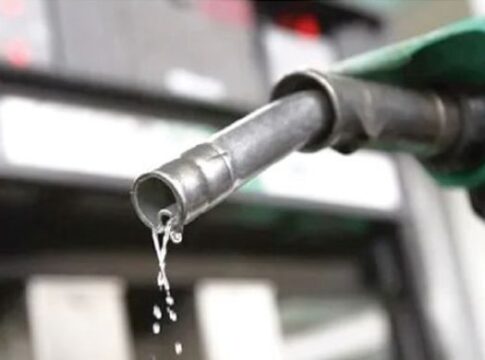

Israel-Iran Conflict Triggers Oil Price Surge as Petrol Costs Climb in Nigeria…The escalation in hostilities between Israel and Iran has triggered ripples across global energy markets, pushing crude oil prices up to $74 per barrel and sparking an immediate response from petroleum marketers in Nigeria who have adjusted pump prices upward.
The increase marks a significant shift from previous weeks, with crude trading at around $68 per barrel before tensions in the Middle East intensified.
The price surge, which amounts to an 8.8 percent jump in crude value, is directly linked to recent military developments in the region.
Israeli forces have launched a series of airstrikes targeting Iranian nuclear and missile infrastructure, drawing threats of retaliation from Tehran.
As global markets react, concerns have mounted over the security of vital energy corridors such as the Strait of Hormuz, a narrow but critical shipping route through which over 20 percent of the world’s oil supply passes daily.
Iran has threatened to disrupt traffic through the strait in response to Israel’s actions.
Analysts warn that any attempt by Iran to blockade the waterway would cause severe supply disruptions and send oil prices soaring well beyond current levels.
With global supply chains already under strain and demand for energy remaining strong, such a development could have serious implications for both producing and importing nations.
In Nigeria, the consequences of this geopolitical conflict are being felt at the petrol pumps.
Marketers, reacting to rising crude prices, have raised the price of premium motor spirit (PMS).
The National Bureau of Statistics (NBS) recently disclosed that the average pump price for petrol in May 2025 rose to ₦617 per litre, a marked increase from previous months.
Early indicators suggest that this upward trend will likely persist if oil prices remain at elevated levels or continue to rise.
The situation presents a growing challenge for Nigerian consumers.
Petrol price hikes typically have a cascading effect on the cost of transportation and logistics, which in turn drives up the prices of food and other essential goods.
With no government subsidy in place, and no immediate plan announced to cushion the impact, the burden falls squarely on households already grappling with inflation and high living costs.
Transport operators across major Nigerian cities have begun increasing fares, citing higher fuel costs.
Traders in local markets are also reporting increases in delivery charges, while some suppliers are adjusting prices upward in anticipation of further fuel-related expenses.
The cumulative effect is likely to erode purchasing power further, especially among lower- and middle-income earners.
Economists have sounded the alarm over the potential inflationary impact of continued fuel price increases.
Rising energy costs are expected to spill into other sectors of the economy, adding pressure to an already fragile economic recovery.
The International Energy Agency (IEA) has expressed concern about the stability of global oil supply chains, emphasizing the need for diplomatic solutions to prevent long-term market disruption.
In global markets, investors are closely watching the trajectory of the Israel-Iran conflict, with oil futures remaining volatile.
Speculation about further military escalation is keeping prices on edge, with analysts suggesting that the $74 mark could just be the beginning if no resolution is reached soon.
READ MORE: Trump on Iran-Israel Tensions: ‘Sometimes They Have to Fight It Out’ Before Making Peace
Meanwhile, governments in several oil-importing countries are weighing emergency measures to limit the domestic fallout of rising oil prices.
In Nigeria, however, the response has so far been limited to official observations and data releases.
As the conflict in the Middle East deepens and crude prices continue to climb, the pressure on Nigerian consumers is likely to intensify, leaving many hoping for swift de-escalation and a return to market stability.